
Rabbit! Rabbit! Rabbit!

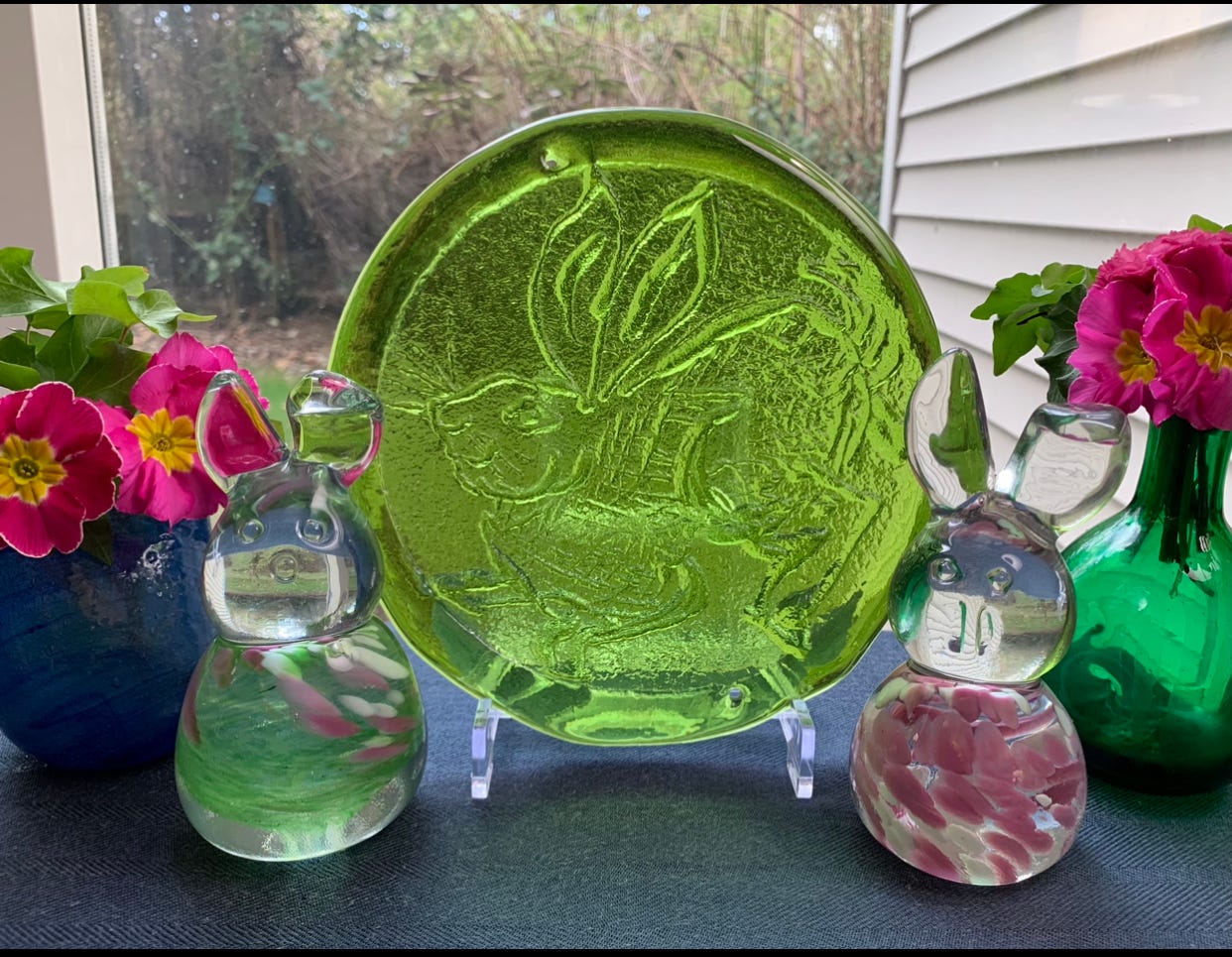
Rabbit! Rabbit! Rabbit!
Saying “Rabbit! Rabbit!” aloud as your first words of the month are said to bring good luck and fortune for all the days of that month. Whether you or your culture of origin see rabbits as a clever trickster or harbinger of good fortune, they are known to be prolific for their reproductive prowess.
Wishing for that reproductive power of rabbits plays a metaphorical role in one of my favorite scenes in the beloved Christmas classic movie, It’s a Wonderful Life. Just after Mary and George leave their wedding festivities, Ernie the taxi driver calls out the bank run at the Bailey Building and Loan. George enters the bank and discovers each person in the bank lobby wants to withdraw all of the funds in each of their accounts. He explains their funds are not cash sitting in a safe, but are invested in the homes in their community. After learning that Old Man Potter is offering to pay 50 cents for every dollar of Building and Loan shares, George continues to negotiate with the stakeholders to keep their money at the Bailey Building and Loan. Knowing that there is not enough cash in the safe to cover all of the withdrawals, Mary, the resilient savior throughout the film, holds up the $2,000 honeymoon money, and George offers this as a way to ensure the depositors are paid and keep the Bailey Building and Loan in business. After all of the depositors are satisfied with at least a portion of their deposits, George, Uncle Billy, and bank staff satisfyingly reach the close of business, and celebrate the two remaining dollars, hoping the greenbacks reproduce like rabbits, as they sing and march the bounty into the safe.
The line that always resonates for me is when George tells his neighbors and friends that the bank customers are “thinking of this place all wrong…”
“…You're thinking of this place all wrong, as if I had the money back in a safe. The money's not here. Well, your money's in Joe's house - that's right next to yours - and in the Kennedy house and Mrs. Maitland's house and a hundred others. You're lending them the money to build, and then they're going to pay it back to you as best they can. Now, what are you going to do, foreclose on them?”
George Bailey shared this perspective showing his friends and neighbors how they are all connected. It was a concept the bank patrons didn’t seem to realize before George explained the money they deposited into the building and loan was invested in their community.
This is the type of story that engages me — how are we connected? How do we see those connections? How are our relationships birthed and built through our connections? What exploration of these stories helps us co-create a more compassionate, just, and verdant world?
My intention as I begin this blog is to explore those stories that connect, and those stories where we aren’t connected, but might be. I want to consider those stories where we look at things differently, and perhaps discover a different perspective providing insight for better connection, and consequently more supportive relationships.
People close to me know I’ve been gestating a book-writing project for quite a spell, and I’m sure there will be pieces of that to explore here too.
I invite you to read along and explore with me.
If you’re still reading because you’re worried that you didn’t say “rabbit, rabbit” this morning, never fear! Consider calling the power of the hare as a way of setting an intention and creating your fortune for the month, so you’re already mindful of seeing the golden opportunities for yourself. Or, before you go to sleep, say “tibbar, tibbar,” alluring the bunny’s attention and your good fortune by speaking “rabbit” backwards twice.
Notes:
https://www.farmersalmanac.com/rabbit-rabbit-35150
https://www.npr.org/transcripts/1148144705
https://www.npr.org/templates/story/story.php?storyId=248041250